
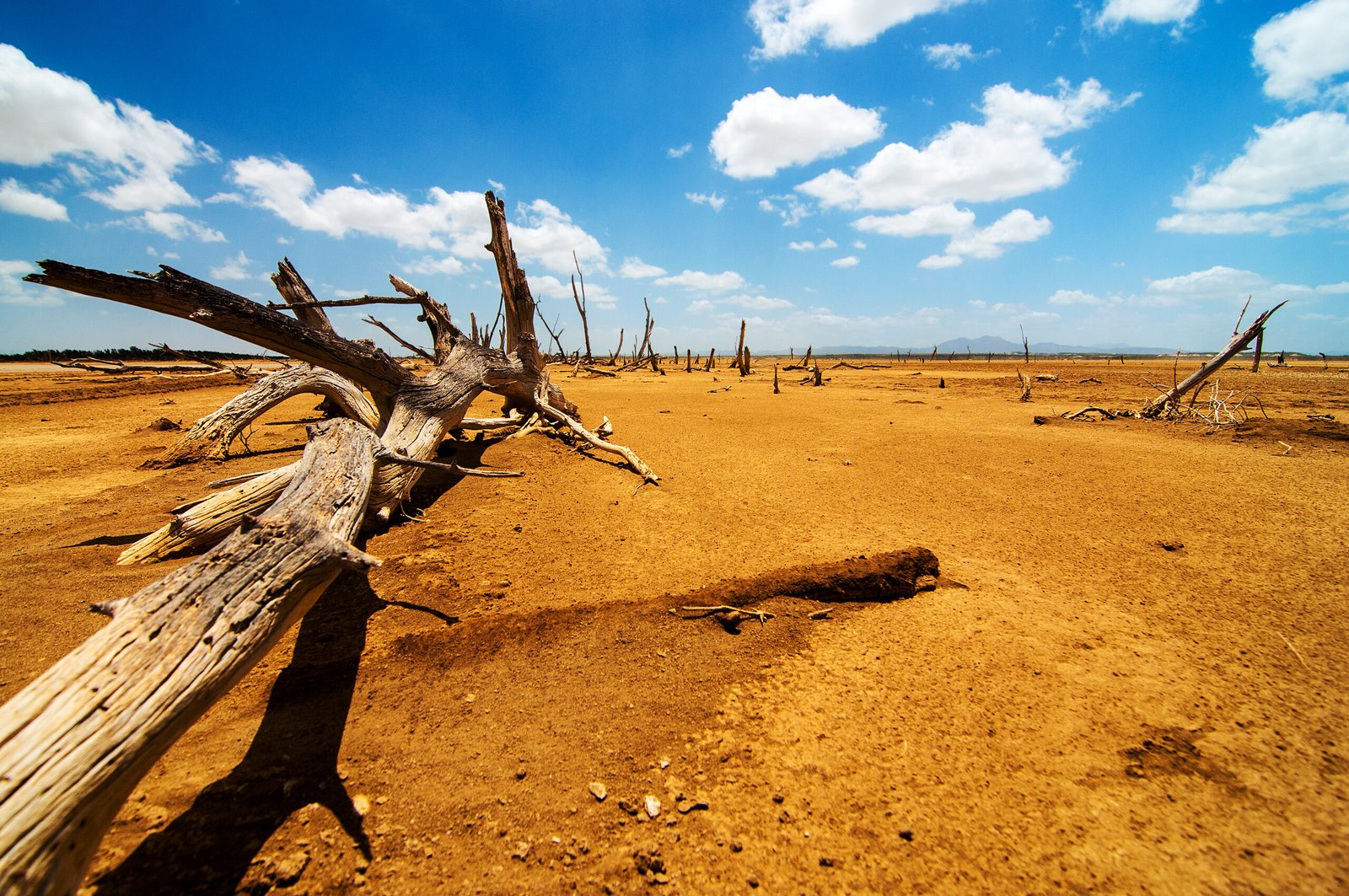
This research work was conducted as part of a broader study focused on the integration of climate-induced livelihood transformations with drought and reproductive health considerations in drought-affected communities. This study has specific objectives to identify the spatial and temporal trends of droughts in Sri Lanka, examine their potential impacts on fertility and reproductive health, and develop both a policy framework and targeted recommendations to mitigate and address these impacts. This focuses on aligning climate adaptation strategies with livelihood and health needs, ensuring that policies address the unique challenges posed by droughts. This emphasizes including reproductive health as a core component of climate resilience planning, recognizing its role in community well-being during and after drought events. The partners of the project include the United Nations Population Fund and the University of Colombo. The data collection process of the study was conducted in both Hambantota and Anuradhapura districts.
Results
Economic Instability and Fertility Patterns
Economic instability caused by drought has had a profound effect on fertility patterns in the impacted communities. The loss of income from agriculture has created financial stress, which in turn affects decisions about marriage, childbearing, and family size. There are notable instances of a decrease in the desire to have children, primarily due to the inability to support larger families.
Vulnerability to Intimate Partner Violence (IPV) and Reproductive Health
The economic strain and lack of resources have increased tensions within households, making individuals more susceptible to IPV. This situation has adversely affected women’s mental and physical well-being, limiting their willingness to play reproductive roles.
Gender-Specific Vulnerabilities
Women bear a heavier burden as they juggle household duties and income generation. Drought conditions have intensified their responsibilities, especially in obtaining water and food. This increased workload has detrimental effects on their health and their ability to access vital services, including reproductive healthcare. Particularly vulnerable groups, such as pregnant women, adolescents, and single mothers, face compounded challenges due to their heightened health and social care needs, further exacerbated by limited resources and support systems.
Regional Differences in Fertility Responses to Drought
Responses to drought in terms of fertility differ across regions, influenced by varying socio-economic conditions and resource availability. In certain areas, families may reduce fertility rates as they focus on economic survival, while in others, lack of access to primary health care such as family planning keeps fertility rates higher.
Health Impact and Fertility
Drought-related issues such as poor water quality, high temperature, and inadequate nutrition have led to health problems like underweight births, infectious diseases, and chronic health issues. These health challenges complicate fertility outcomes and these conditions have a significant impact on women.